




[give_form id="30"]

Overcoming Microvillous Inclusion Disease

Microvillus Inclusion Disease (MVID) is a rare disease of the gastrointestinal tract, manifested by severe, intractable diarrhea in newborns and infants. It causes severe intestinal malabsorption, necessitating prolonged parenteral nutrition, and can be life-threatening.

To date, there is no treatment for this disease.
Socials
The Association

Boosting research into MVID

The Association Cure MVID is an association whose main aim is to find a therapy for Microvillous Inclusion Disease while improving the lives of our patients and their families.

This is a rare genetic disease that affects the normal functioning of the intestine in children from birth. The association was created in 2023 by a family affected by this disease.

Our vocation is to foster partnerships between doctors, researchers, associations and industrial partners in order to share knowledge about the disease and create synergies to raise awareness of this rare genetic disorder and identify therapeutic strategies.

The Association's missions

Promoting MVID research

The aim of the association is to finance and support clinical and scientific research into MVID and to improve care practices.

Raising awareness of the disease

Our aim is to raise awareness of MVID in order to improve diagnosis, optimize care for affected patients and create synergies between those involved in research.

Supporting patients with MVID

Our mission is to support patients facing this disease, and their families.

Estimated number of cases worldwide
0
Existing treatments

0
Identified genes causing MVID

0

A rare and potentially fatal disease

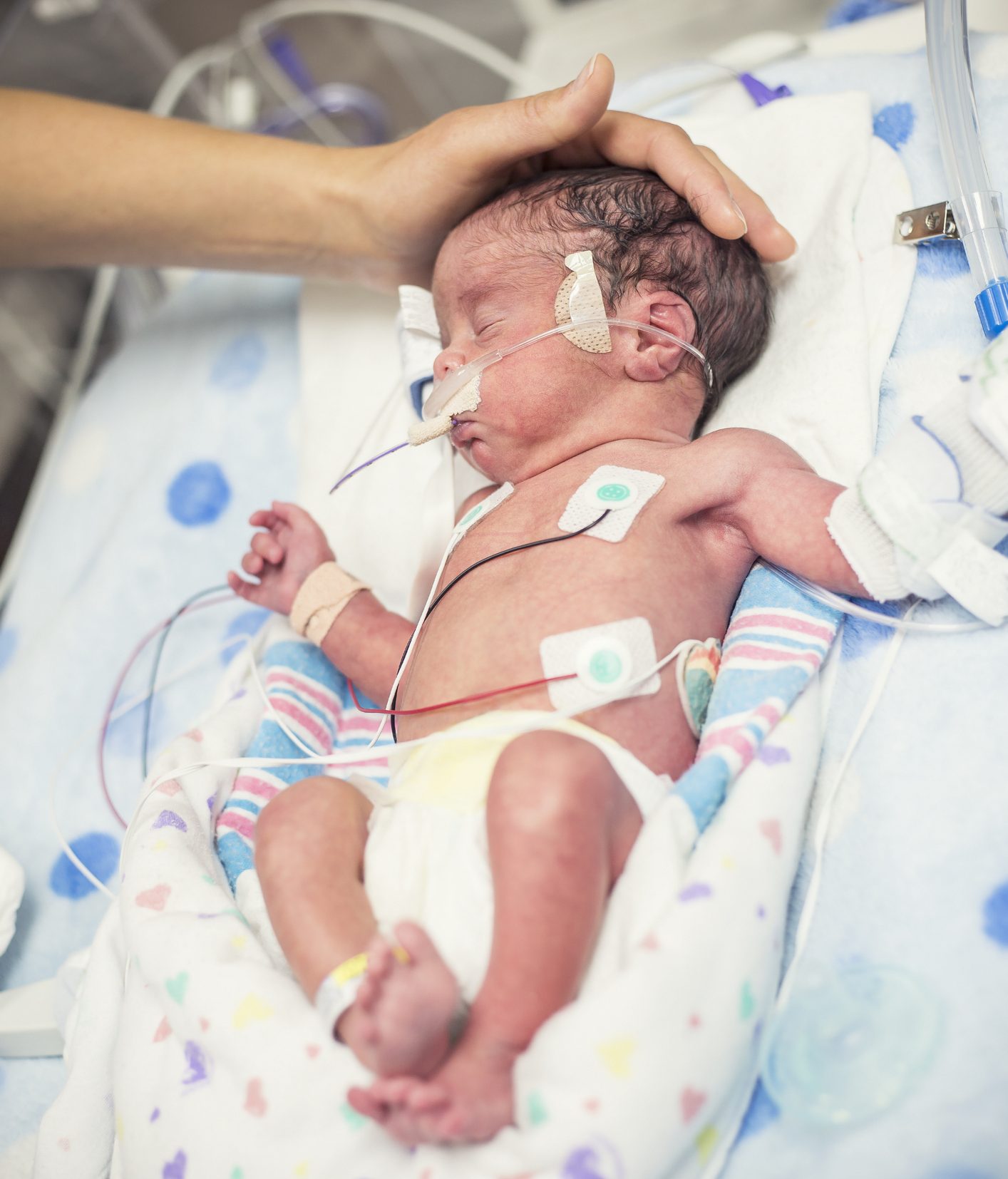
Children with Microvillous Inclusion Disease usually present symptoms soon after birth.

Common symptoms include vomiting, severe watery diarrhea that is profuse and intractable, leading to severe dehydration and stunted growth.

Due to high digestive losses, patients can lose up to 30% of their body weight in 24 hours, resulting in profound metabolic acidosis and severe dehydration.

The child rapidly becomes dehydrated unless vigorous intravenous rehydration is started.

Expert opinion on MVID

"

The treatment of MVID is particularly challenging. The initial management phase involves the correction of acute metabolic disturbances, including dehydration, metabolic alkalosis, and electrolyte levels. Oral feeding of these patients results in large volume diarrhea, and oral rehydration solutions are ineffective.

Babcock, S. J., Flores-Marin, D. & Thiagarajah, J. R. The genetics of monogenic intestinal epithelial disorders, Hum. Genet. (2022)
"

Intestinal failure secondary to diarrhea is definitive. To date, no curative therapy exists and children with MVID are totally dependent on parenteral nutrition.

Ruemmele, F. M., Schmitz, J. & Goulet, O. Microvillous inclusion disease (microvillous atrophy), Orphanet J. Rare Dis. 1, 22 (2006)
"

These patients most often require parenteral nutrition upon presentation and have life-long parenteral nutrition requirements with little hope for spontaneous enteral autonomy in most cases.

Babcock, S. J., Flores-Marin, D. & Thiagarajah, J. R. The genetics of monogenic intestinal epithelial disorders, Hum. Genet. (2022)
"

These patients most often require parenteral nutrition upon presentation and have life-long parenteral nutrition requirements with little hope for spontaneous enteral autonomy in most cases.

Babcock, S. J., Flores-Marin, D. & Thiagarajah, J. R. The genetics of monogenic intestinal epithelial disorders, Hum. Genet. (2022)

No treatment available for Microvillous Inclusion Disease

To date, there is no cure for Microvillous Inclusion Disease.

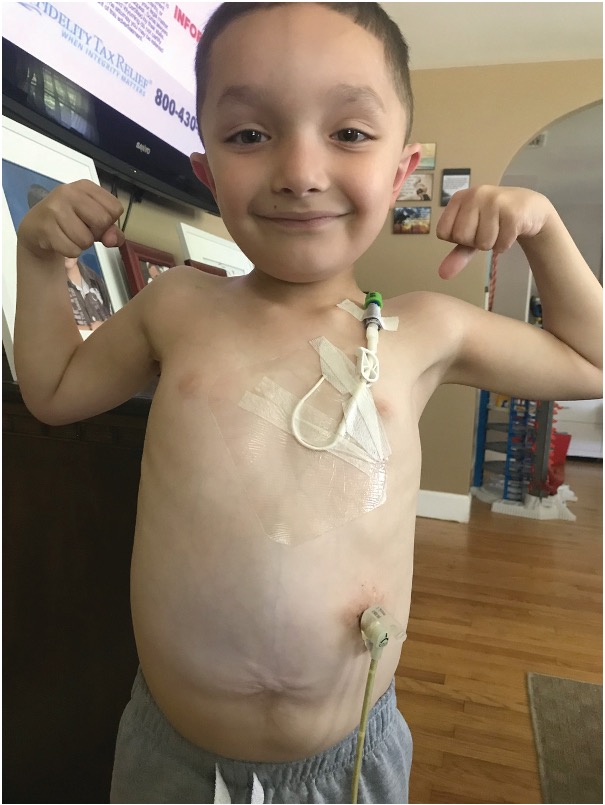
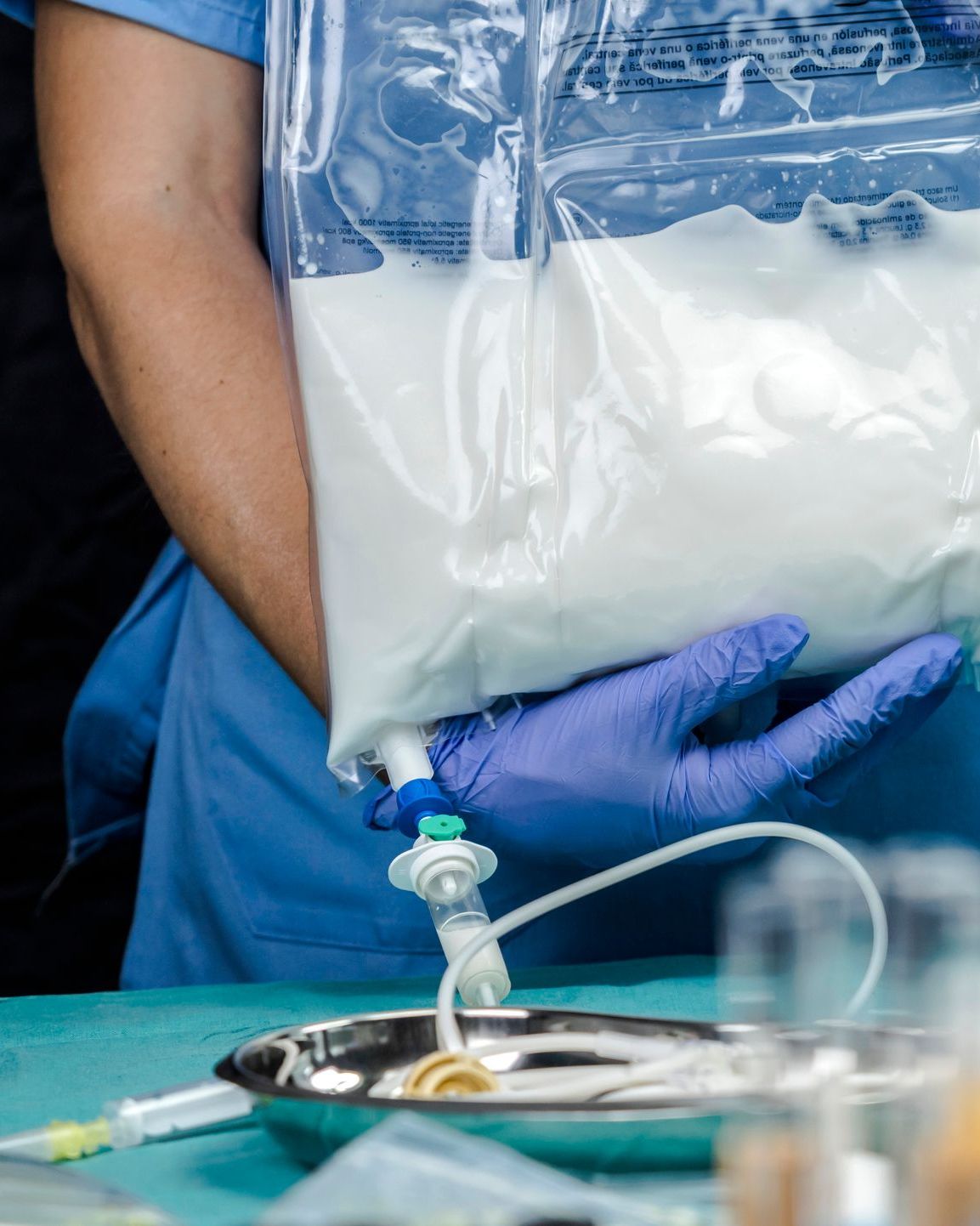
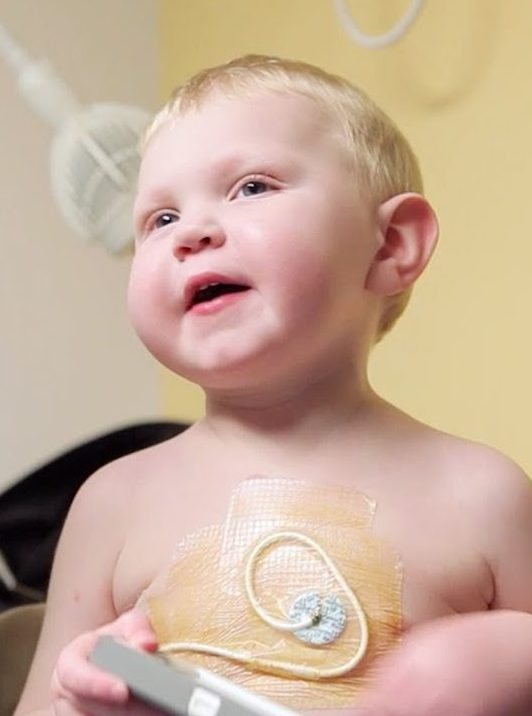
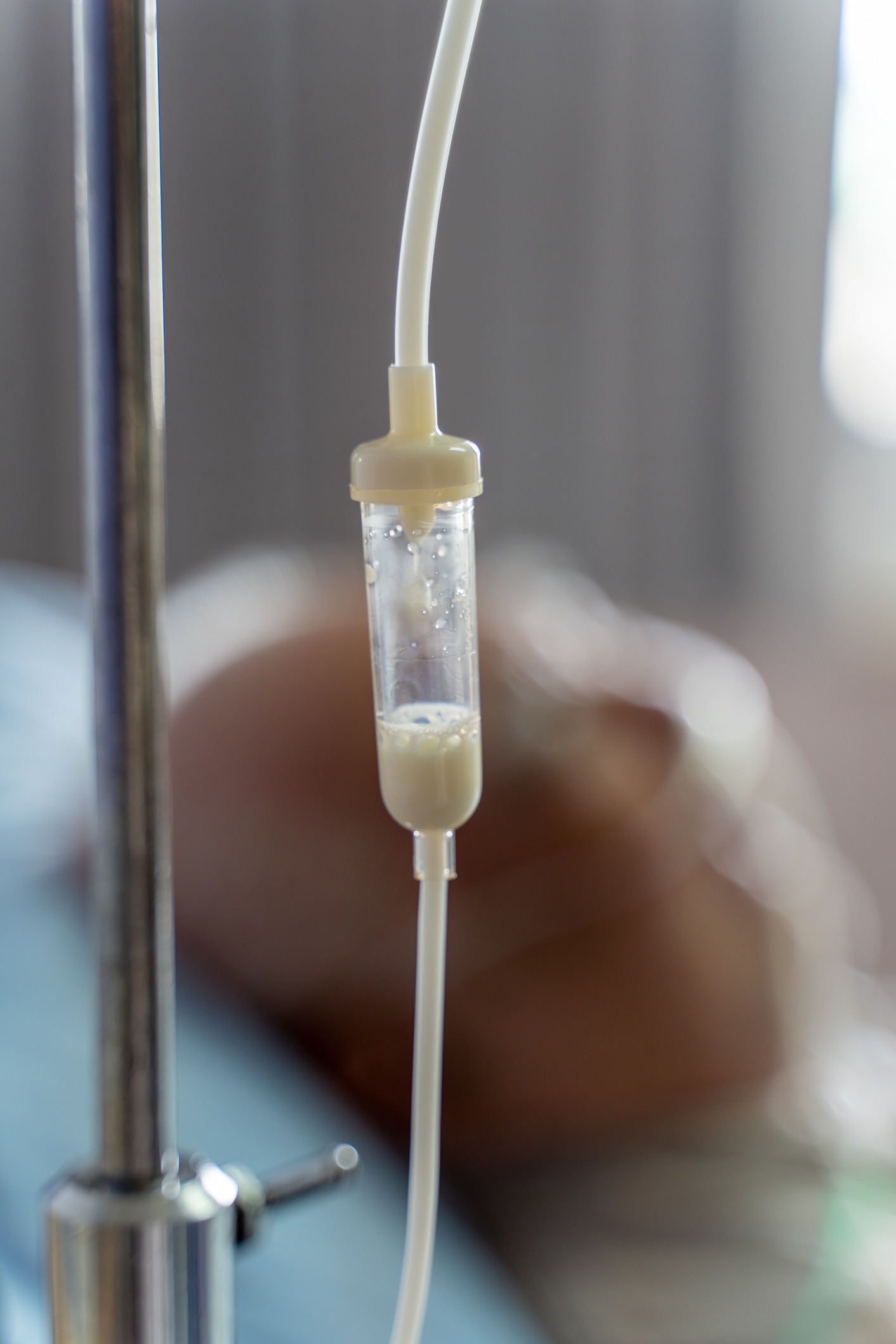
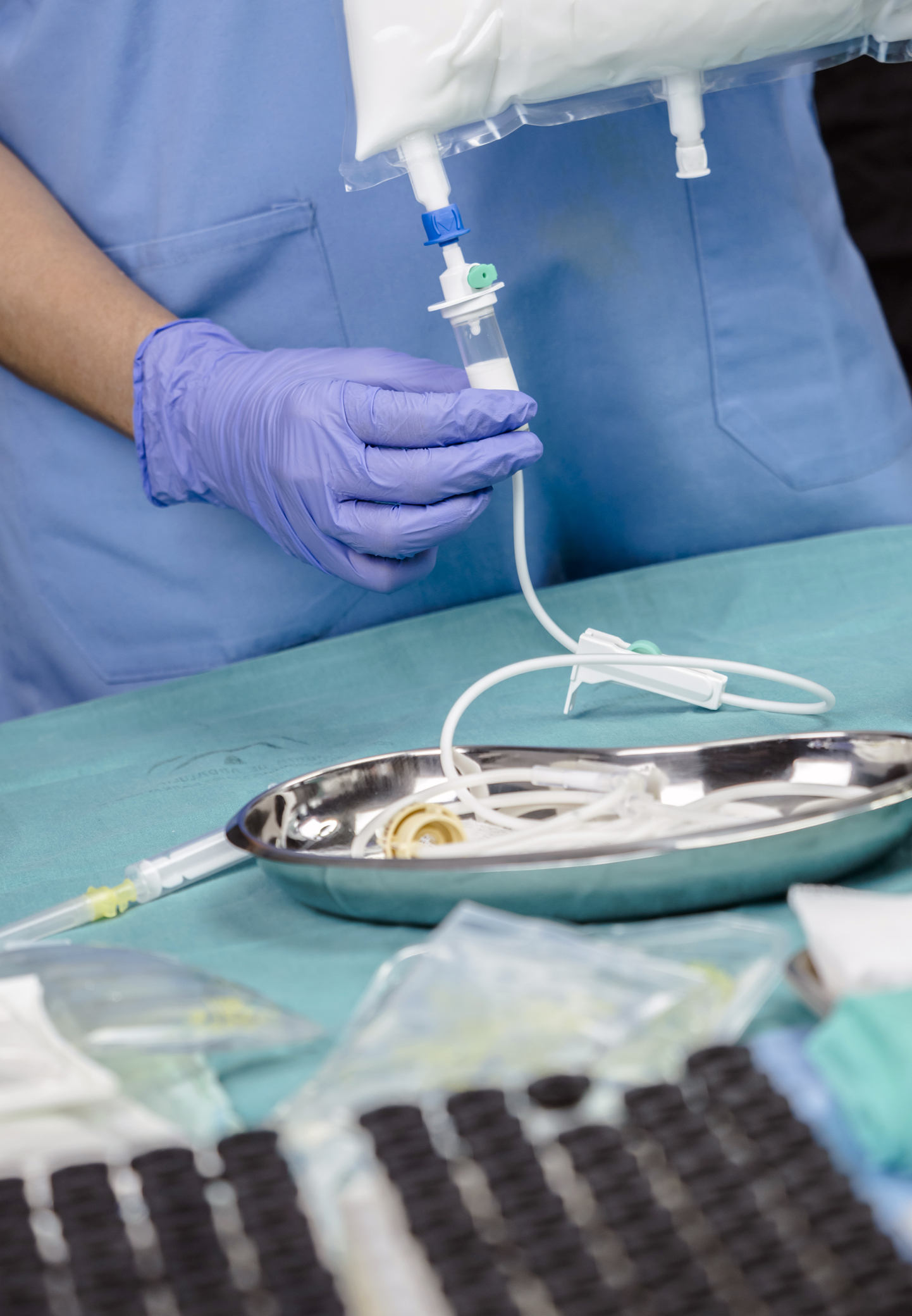
Management involves total parenteral nutrition for life (administration of daily nutritional intake via the venous route).

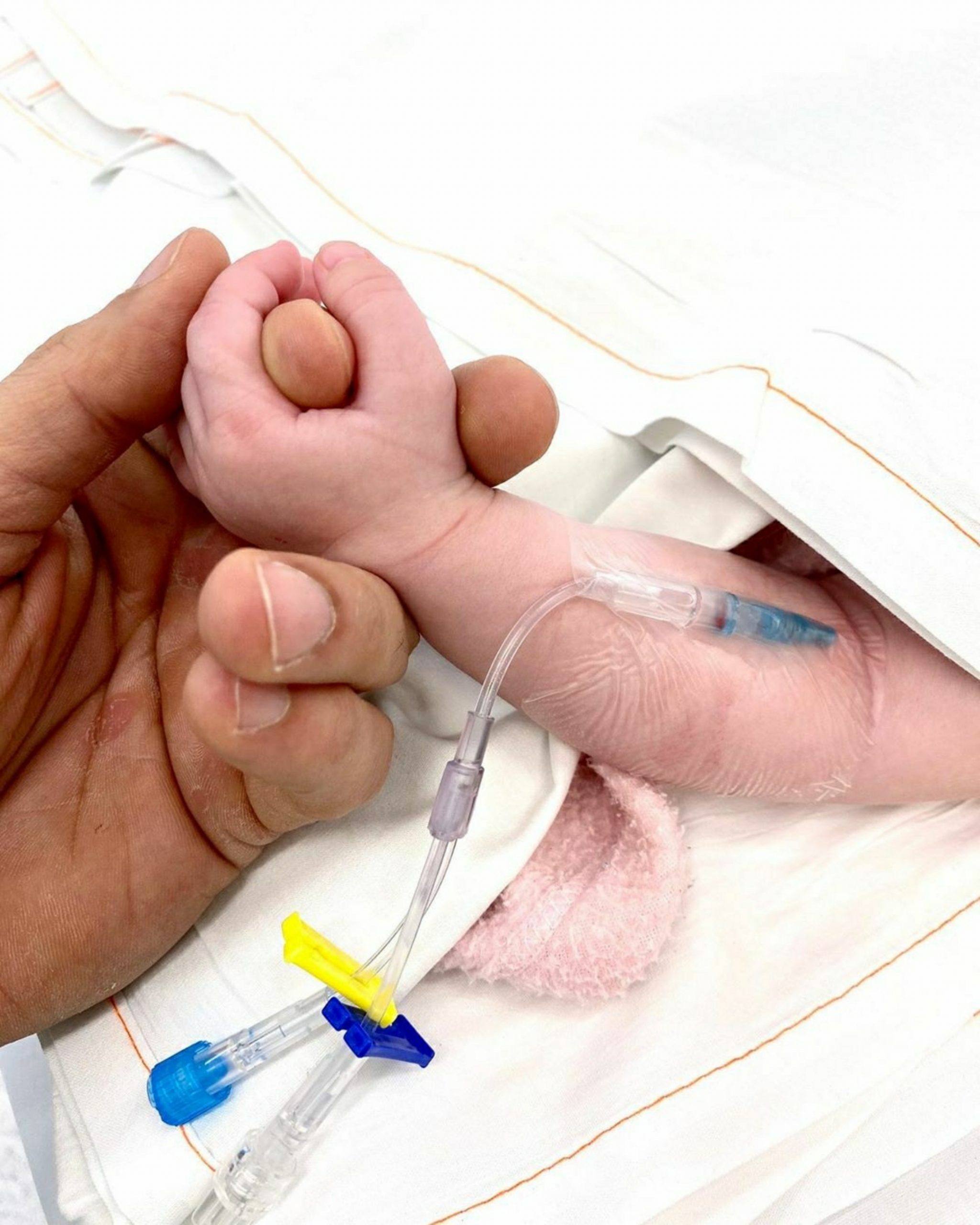
Parenteral nutrition is an artificial feeding technique in which the nutrients required by the body are injected into the vein via a central venous catheter. This is an unnatural technique, since it does not use the digestive system, which is usually the vehicle for food, but the vascular system.

Handling the various catheters requires precautions, and is an invasive technique that can cause a number of significant complications for the child.

The next stage for this very severe and life-limiting disease is to advance and discover disease-modifying therapies that can restore even some amount of intestinal absorptive function.

Cure MVID

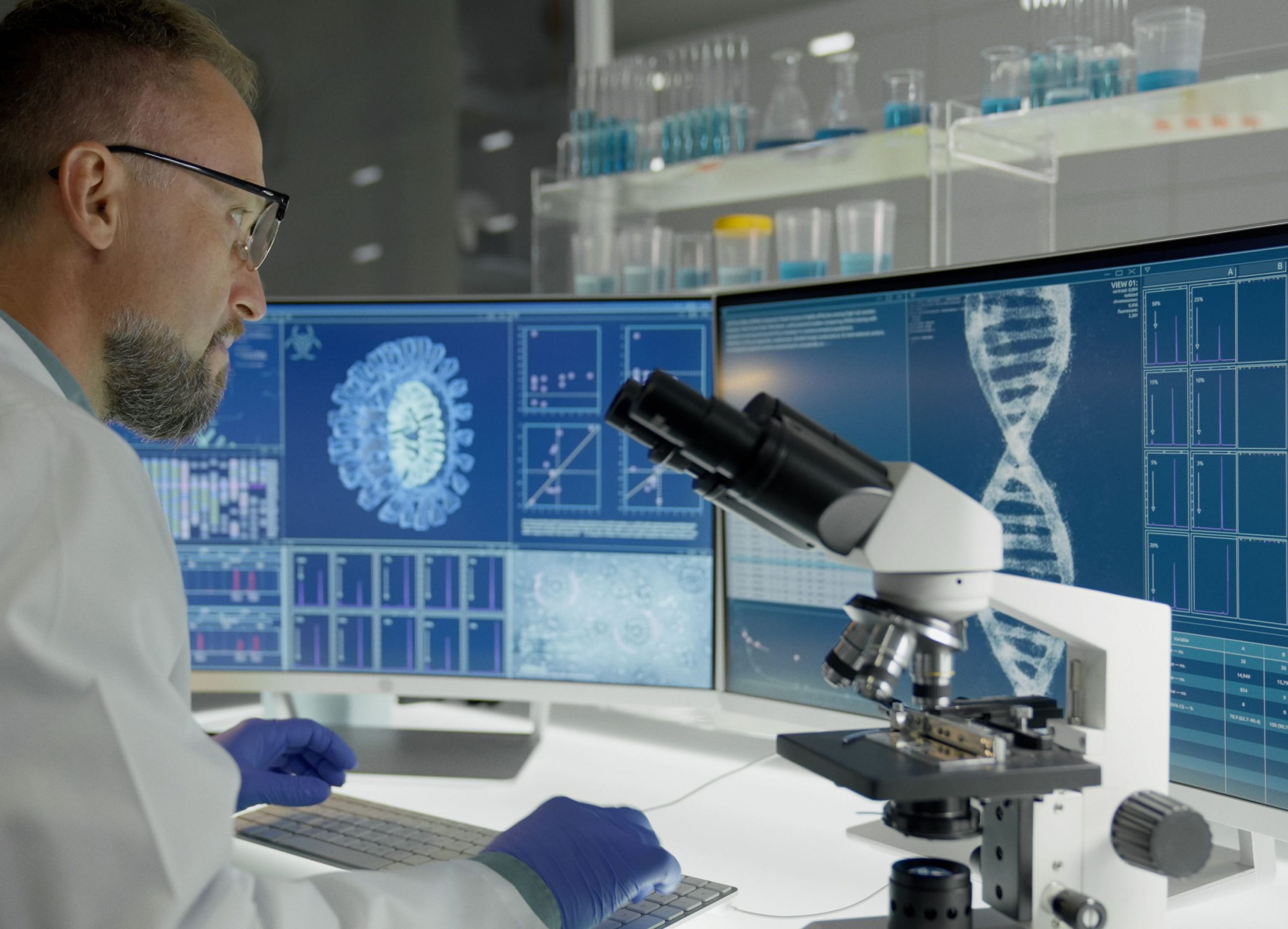
researcher working to find a therapy for microvillous inclusion disease (MVID)

Our commitment to scientific research on MVID

Join our mission: to fund, promote and lead scientific and medical research aimed at finding effective treatments for MVID.

Through our passionate commitment and partnerships with leading researchers, we are determined to advance understanding of MVID and bring hope to patients and their families.

Partners

Our partners in the fight against MVID